

Top 10 Sources for Cheap Stock Photos: Quality Images on a Budget

In today’s digital age, visuals play a crucial role in capturing audience attention and conveying messages effectively. However, for many businesses and content creators, finding high-quality images at affordable prices can be challenging. That’s where cheap stock photos come in, offering a cost-effective solution without compromising on quality.

We understand the importance of striking a balance between budget constraints and visual appeal. In this article, we’ll explore the world of cheap stock photos, uncovering the best resources and strategies to enhance your digital content without breaking the bank. From understanding licensing agreements to discovering hidden gems in lesser-known photo libraries, we’ll guide you through the process of finding stunning visuals that won’t drain your wallet.

Key Takeaways

  • Cheap stock photos offer high-quality, affordable visuals for businesses and content creators, typically ranging from $1 to $5 per image.
  • Popular microstock websites like Shutterstock and Adobe Stock provide vast libraries of royalty-free images for commercial use.
  • Free stock photo platforms such as Unsplash and Pexels offer no-cost alternatives with Creative Commons Zero (CC0) licenses.
  • When choosing budget-friendly stock photos, consider image resolution, authenticity, and relevance to maintain visual quality.
  • Explore alternatives like creating your own images or using user-generated content to avoid overused stock photos and ensure originality.

What Are Cheap Stock Photos?

Cheap stock photos are high-quality, professionally-shot images available for purchase at affordable prices. These images offer a cost-effective solution for businesses and content creators seeking visuals for their projects without breaking the bank.

Understanding Stock Photography

Stock photography refers to a collection of pre-existing images available for licensing. These photos are captured by professional photographers and made available through stock photo agencies. Users can search, select, and purchase these images for various purposes, including marketing materials, websites, and social media content. Stock photos cover a wide range of subjects, from business and lifestyle to nature and technology, providing diverse options for different creative needs.

Defining “Cheap” in the Context of Stock Images

In the realm of stock photography, “cheap” doesn’t necessarily mean low quality. Instead, it refers to images that are:

  • Priced competitively compared to premium stock photo options
  • Available through affordable subscription plans or pay-per-image models
  • Often sourced from lesser-known stock photo agencies or emerging photographers
  • Sometimes offered as part of promotional deals or discounts

Cheap stock photos typically range from $1 to $5 per image, with some agencies offering even lower prices through bulk purchases or subscription plans. These affordable options allow businesses and individuals to access professional-grade visuals without investing in expensive custom photography or high-end stock photo subscriptions.

When looking to purchase cheap stock photos, it’s essential to consider:

  • Licensing terms, ensuring the images are suitable for your intended use
  • Image resolution and quality to meet your project requirements
  • The reputation and reliability of the stock photo agency
  • Availability of royalty-free images for commercial use, which offer more flexibility in usage rights

By understanding these aspects, you can make informed decisions when selecting cheap stock photos for your projects, balancing cost-effectiveness with quality and legal compliance.

Top Sources for Affordable Stock Photos

We’ve compiled a list of the best sources for cheap stock photos, including both popular microstock websites and free stock photo platforms. These options provide a wide range of high-quality images at affordable prices, catering to various project needs and budgets.

Popular Microstock Websites

Popular microstock websites offer a vast selection of cheap stock photos for purchase. These platforms typically feature millions of images from professional and amateur photographers, with prices starting as low as $1 per image. Some of the leading microstock agencies include:

  1. Shutterstock: Offers a vast library of over 350 million images
  2. Adobe Stock: Integrates seamlessly with Adobe Creative Cloud applications
  3. iStock: Provides curated collections of premium images
  4. Depositphotos: Features a user-friendly interface and competitive pricing
  5. 123RF: Offers flexible pricing plans and a diverse image selection

These stock photo agencies provide royalty-free images for commercial use, ensuring that businesses can legally use the purchased photos in their marketing materials, websites, and other projects.

Free Stock Photo Platforms

For those with tighter budgets, free stock photo platforms offer a wealth of high-quality images at no cost. While the selection may be more limited compared to paid options, these sites still provide excellent resources for various projects:

  1. Unsplash: Features a curated collection of professional-quality photos
  2. Pexels: Offers a user-friendly search function and diverse image categories
  3. Pixabay: Provides a mix of photos, illustrations, and vector graphics
  4. StockSnap.io: Updates its library with hundreds of new images weekly
  5. Gratisography: Specializes in unique and whimsical imagery

When using free stock photos, it’s crucial to verify the licensing terms to ensure compliance with usage restrictions. Many of these platforms offer Creative Commons Zero (CC0) licenses, allowing for unrestricted use of the images in both personal and commercial projects.

Licensing and Usage Rights for Low-Cost Images

Understanding licensing and usage rights is crucial when purchasing cheap stock photos. We’ll explore the different types of licenses and usage permissions typically associated with low-cost images from stock photo agencies.

Royalty-Free vs. Rights-Managed Licenses

Royalty-free licenses are the most common for cheap stock photos. They allow multiple uses of an image for a one-time fee, making them cost-effective for various projects. Rights-managed licenses, though less common in low-cost options, restrict usage based on factors like duration, geographic location, and intended purpose. When you purchase cheap stock photos, they’re typically offered with royalty-free licenses, providing flexibility in how you use the images across different media and projects.

Commercial vs. Editorial Use

Commercial use permits images in advertising, marketing materials, and products for sale. Most cheap stock photos come with commercial licenses, allowing businesses to use them in promotional content. Editorial use restricts images to non-commercial, informational contexts like news articles or blog posts. It’s essential to verify the license type when selecting cheap stock photos, especially if you plan to use them for commercial purposes. Many stock photo agencies offer filters to search specifically for royalty-free images for commercial use, ensuring you find suitable options for your projects.

Quality Considerations When Choosing Budget-Friendly Stock Photos

When selecting cheap stock photos, it’s crucial to maintain high standards of quality. We’ll explore key factors to consider when choosing budget-friendly images from stock photo agencies.

Resolution and Image Size

Resolution and image size are critical factors in determining the quality of cheap stock photos. High-resolution images ensure clarity and sharpness, especially when used in print materials or on large displays. We recommend looking for images with a minimum resolution of 300 DPI (dots per inch) for print use and at least 72 DPI for web applications.

When purchasing cheap stock photos, pay attention to the image dimensions. Larger images offer more flexibility, allowing for cropping or resizing without losing quality. Stock photo agencies often provide various size options, so choose images that meet or exceed your project’s requirements. Remember that higher resolution and larger file sizes may come at a slightly higher cost, but they’re worth the investment for maintaining visual quality.

Authenticity and Relevance

Authenticity and relevance are crucial when selecting royalty-free images for commercial use. Cheap stock photos should still appear genuine and align with your brand’s message. We advise avoiding overly staged or clichéd images that can make your content look unprofessional or dated.

When browsing stock photo agencies, use specific search terms to find images that accurately represent your target audience and subject matter. Look for diverse and inclusive imagery that reflects real-life situations and people. Many agencies now offer advanced search filters to help you find authentic-looking photos within your budget.

Consider the context in which you’ll use the image. Ensure that the cheap stock photos you choose complement your content and enhance your message rather than distract from it. By prioritizing authenticity and relevance, you’ll create more engaging and effective visual content, even when working with budget-friendly options.

Tips for Finding the Best Deals on Stock Photos

Finding the best deals on stock photos requires a strategic approach. We’ve compiled essential tips to help you maximize your budget and secure high-quality images for your projects.

Subscription Plans vs. Pay-as-You-Go Options

Stock photo agencies offer various pricing models to suit different needs. Subscription plans typically provide better value for frequent users, offering a set number of downloads per month at a fixed rate. For example, some agencies offer 10 images per month for $29, which can significantly reduce per-image costs. Pay-as-you-go options, on the other hand, allow flexibility for occasional users or those with specific image needs. These plans let you purchase credits or individual images as needed, often starting at $1-$5 per image. When choosing between these options, consider your project’s scope and long-term image requirements to determine the most cost-effective solution.

Seasonal Discounts and Promotions

Many stock photo agencies run seasonal sales and promotional offers throughout the year. Black Friday, Cyber Monday, and end-of-year sales often feature substantial discounts on subscription plans and credit packs. Some agencies offer up to 40% off during these periods. To take advantage of these deals:

  1. Subscribe to newsletters from top stock photo websites
  2. Follow stock photo agencies on social media platforms
  3. Set up price alerts on deal aggregator websites
  4. Check agency websites regularly for limited-time offers
  5. Consider bulk purchases during promotional periods to maximize savings

By timing your purchases strategically, you can significantly reduce costs while still accessing high-quality, royalty-free images for commercial use.

Alternatives to Cheap Stock Photos

While cheap stock photos offer a cost-effective solution for visual content, there are alternative approaches to consider. These alternatives can provide unique, personalized imagery that aligns perfectly with your brand or message.

Creating Your Own Images

Creating your own images is a powerful alternative to purchasing cheap stock photos. This approach offers complete control over the visual content and ensures originality. Here are some ways to create your own images:

  • Photography: Invest in a good quality camera or smartphone and learn basic photography skills. This allows you to capture unique images tailored to your specific needs.
  • Graphic design: Use tools like Adobe Photoshop, Canva, or GIMP to create custom graphics, illustrations, or infographics that perfectly match your brand aesthetic.
  • 3D rendering: For more complex visuals, consider learning 3D modeling software to create unique, eye-catching images.

By creating your own images, you’ll develop a distinct visual identity that sets you apart from competitors who rely on stock photos.

User-Generated Content

User-generated content (UGC) is another compelling alternative to cheap stock photos. This approach involves leveraging content created by your audience or customers. Here’s how to make the most of UGC:

  • Social media campaigns: Encourage followers to share photos related to your brand or products using a specific hashtag.
  • Photo contests: Organize competitions where users submit photos for a chance to win prizes or be featured on your platforms.
  • Customer reviews: Incorporate photos submitted by customers alongside their product reviews.

UGC not only provides authentic, relatable imagery but also fosters community engagement and brand loyalty. When using UGC, always obtain proper permissions and credit the original creators to ensure compliance with copyright laws.

Potential Drawbacks of Using Cheap Stock Photos

While cheap stock photos offer many benefits, they also come with potential drawbacks. We’ll explore some of the challenges content creators may face when relying on budget-friendly stock imagery.

Overused Images and Lack of Originality

Cheap stock photos from popular agencies often suffer from overuse. Many businesses purchase these images, resulting in repetitive visuals across different websites and marketing materials. This lack of originality can:

  • Diminish brand uniqueness
  • Reduce audience engagement
  • Lower the perceived quality of content

To mitigate this issue, we recommend:

  • Searching for less common images within stock photo libraries
  • Combining multiple stock photos to create unique compositions
  • Editing stock photos to add a personal touch

Limited Selection in Niche Categories

While major stock photo agencies offer vast libraries, cheap stock photos often have limitations in niche or specialized categories. This can pose challenges for businesses in specific industries or those seeking highly targeted imagery. Issues include:

  • Fewer options for industry-specific visuals
  • Difficulty finding diverse representations
  • Limited choices for emerging trends or technologies
  • Explore multiple stock photo agencies to expand options
  • Use specific search terms to uncover hidden gems
  • Consider supplementing cheap stock photos with custom photography for unique needs

Conclusion

Cheap stock photos offer a valuable solution for businesses and content creators seeking high-quality visuals on a budget. We’ve explored various sources, licensing considerations, and quality factors to help you make informed decisions. By understanding the nuances of stock photography and implementing our tips, you’ll be well-equipped to enhance your visual content without breaking the bank. Remember to stay creative, explore alternatives, and always prioritize authenticity in your imagery choices. With these insights, you’re ready to elevate your digital presence while keeping costs in check.

 

5 Easy Steps to License Stock Photos: Your Ultimate Guide

As a content creator, I know how crucial it is to find the perfect images for my projects. Stock photo agencies offer a vast array of high-quality visuals, but navigating the licensing process can be tricky. That’s why I’ve put together this guide to help you seamlessly license images from these agencies.

Whether you’re a blogger, marketer, or designer, understanding the steps to properly license stock photos is essential. Not only does it ensure you’re using images legally, but it also protects you from potential copyright issues down the road. In this article, I’ll walk you through the process, from choosing the right agency to finalizing your license agreement.

Understanding Stock Photo Licensing

Image licensing is a critical aspect of using stock photos in your projects. It’s essential to grasp the concept and various types of licenses to ensure legal compliance and proper usage.

What Is Image Licensing?

Image licensing is the process of acquiring permission to use a photograph or graphic for specific purposes. It’s a legal agreement between the copyright holder and the user, outlining how, where, and for how long the image can be used. Licensing protects the rights of photographers and artists while allowing businesses and individuals to use high-quality visuals in their work.

Types of Stock Photo Licenses

Stock photo agencies offer different license types to cater to various usage needs. Here are the most common types:

  1. Royalty-Free (RF): This license allows unlimited use of an image for a one-time fee. It’s ideal for commercial photos and WordPress photo usage.
  2. Rights-Managed (RM): RM licenses are more restrictive, specifying exact usage terms, including duration, geographic location, and media type.
  3. Editorial Use: These licenses are for news-related or non-commercial purposes only, often featuring public figures or events.
  4. Extended License: An add-on to RF licenses, providing additional rights such as unlimited print runs or product resale.
  5. Creative Commons: These are free-to-use images with varying levels of restrictions, often requiring attribution.

Understanding these license types helps you choose the right option for your project, ensuring legal compliance and avoiding potential copyright issues.

Steps to License Images from Stock Photo Agencies

Licensing images from stock photo agencies involves a systematic approach to ensure you obtain the right images for your project while complying with legal requirements. Here’s a step-by-step guide to help you navigate the process:

Step 1: Determine Your Image Needs

I start by clearly defining my project requirements. This includes identifying the number of images needed, the specific themes or subjects, and the intended use (e.g., commercial photos for a website, print materials, or WordPress photo integration). Knowing these details helps narrow down the search and select the most appropriate licensing options.

Step 2: Research Stock Photo Agencies

Next, I investigate various stock photo agencies, comparing their image libraries, pricing structures, and licensing options. I look for agencies with extensive collections in my required categories and those offering user-friendly search features. Some popular options include Shutterstock, Adobe Stock, and Getty Images.

Step 3: Understand Licensing Terms and Conditions

Before proceeding, I thoroughly review the licensing terms and conditions of the chosen agency. This step is crucial to understand the legal framework governing the use of their images. I pay close attention to usage rights, restrictions, and any potential limitations that might affect my project.

Step 4: Choose the Right License Type

Based on my project needs and the agency’s offerings, I select the appropriate license type. For commercial photos, I often opt for Royalty-Free licenses, which allow multiple uses for a one-time fee. If I need exclusive rights or have specific usage requirements, I might consider Rights-Managed licenses.

Step 5: Review Usage Restrictions

I carefully examine the usage restrictions associated with the chosen license. This includes checking limitations on print runs, digital distribution, and any time constraints. For WordPress photo integration, I ensure the license permits use on websites and covers the expected traffic volume.

Step 6: Calculate Licensing Costs

After determining the license type and usage requirements, I calculate the total licensing costs. This involves considering factors such as image resolution, usage duration, and any additional fees for extended rights. I compare prices across different agencies to ensure I’m getting the best value for my budget.

Step 7: Complete the Licensing Process

Finally, I proceed with the purchase and licensing process. This typically involves creating an account with the stock photo agency, adding the selected images to my cart, and completing the checkout process. Once payment is made, I download the high-resolution images and save the license documentation for future reference.

Best Practices for Using Licensed Stock Photos

When using licensed stock photos, it’s crucial to follow best practices to ensure compliance with licensing agreements and protect yourself from potential legal issues. Here are key considerations for properly utilizing licensed images:

Proper Attribution

I always provide proper attribution for licensed stock photos as required by the licensing agreement. This practice involves:

  • Including the photographer’s name and the stock agency in the image caption or credits section
  • Adding a link to the photographer’s portfolio or the stock agency’s website when using images online
  • Placing attribution information near the image or in a designated area of the publication for print materials

For commercial photos, I’m particularly careful to follow any specific attribution requirements outlined in the license agreement.

Adhering to Usage Guidelines

I strictly adhere to the usage guidelines specified in the stock photo license. This includes:

  • Using images only for permitted purposes (e.g., commercial or editorial use)
  • Respecting any restrictions on image modifications or alterations
  • Avoiding use of images in sensitive contexts without explicit permission
  • Ensuring images aren’t used to imply endorsement of products or services without proper authorization

When incorporating stock photos into WordPress or other content management systems, I always verify that the usage aligns with the license terms.

Keeping Records of Licenses

I maintain detailed records of all licensed stock photos to ensure proper usage and compliance. My record-keeping practices include:

  • Saving license agreements and receipts for each purchased image
  • Creating a database or spreadsheet to track image usage, expiration dates, and renewal requirements
  • Documenting any modifications made to the images and ensuring they comply with license terms
  • Regularly reviewing and updating records to ensure continued compliance with licensing agreements

By keeping thorough records, I can easily demonstrate proper licensing if questions arise and ensure I’m using commercial photos within the agreed-upon terms.

Legal Considerations When Licensing Stock Photos

When licensing stock photos, it’s crucial to understand the legal implications to protect yourself and your business. Here are key legal considerations to keep in mind:

Copyright Laws and Fair Use

Copyright laws protect the rights of photographers and artists who create images. When licensing stock photos, I’m essentially purchasing the right to use someone else’s copyrighted work. Fair use doesn’t typically apply to commercial photos, as it’s limited to specific circumstances like education or commentary. To stay compliant:

  • Always obtain proper licenses for commercial photos
  • Read and follow the terms of the license agreement carefully
  • Don’t assume that finding an image online means it’s free to use
  • Respect the creator’s rights by using the image only as permitted

Potential Consequences of Misuse

Misusing stock photos can lead to serious legal and financial repercussions. Some potential consequences include:

  • Cease and desist letters demanding immediate removal of the image
  • Lawsuits for copyright infringement
  • Monetary damages, which can be substantial
  • Damage to your reputation and brand image

To avoid these issues:

  • Keep detailed records of all licensed images and their terms
  • Set up a system to track license expirations and renewals
  • Educate team members about proper image use, especially when using WordPress photo plugins
  • If in doubt about usage rights, consult with a legal professional

By understanding and respecting copyright laws and license agreements, I can confidently use stock photos while minimizing legal risks.

Alternatives to Stock Photo Licensing

When it comes to sourcing images for your projects, stock photo licensing isn’t the only option. Here are some alternatives that can provide you with high-quality visuals without the need for traditional stock photo licensing:

Create Your Own Photos

Taking your own photos offers several advantages:

  • Unique content tailored to your specific needs
  • Full control over image rights and usage
  • No licensing fees or restrictions
  • Opportunity to develop your photography skills

Use Public Domain Images

Public domain images are free from copyright restrictions:

  • Sources include Wikimedia Commons and Pixabay
  • No attribution required in most cases
  • Wide variety of historical and contemporary images available

Leverage Creative Commons Licensed Images

Creative Commons licenses offer flexible usage options:

  • Platforms like Flickr and Unsplash host CC-licensed images
  • Various license types with different levels of permission
  • Always check and follow the specific license requirements

Commission Custom Photography

Hiring a professional photographer for custom work can be beneficial:

  • Tailor-made images that align perfectly with your brand
  • Exclusive rights to the photos
  • Professional quality and artistic direction

Utilize User-Generated Content

Encouraging and curating user-generated content can be effective:

  • Authentic images that resonate with your audience
  • Cost-effective solution for businesses
  • Builds community engagement and loyalty

Explore AI-Generated Images

Artificial intelligence tools are emerging as a new source for visuals:

  • Platforms like DALL-E and Midjourney create unique images
  • No licensing concerns for many AI-generated images
  • Customizable to specific requirements

By exploring these alternatives, you can find cost-effective and unique solutions for your image needs without relying solely on traditional stock photo licensing. Each option has its own benefits and considerations, so choose the one that best fits your project’s requirements and budget.

Conclusion

Navigating the world of stock photo licensing doesn’t have to be daunting. By following the steps outlined in this guide you’ll be well-equipped to find and license the perfect images for your projects. Remember there are also alternative options available that can save you time and money.

Whether you choose traditional stock photos or explore other avenues always prioritize legal compliance and respect for creators’ rights. With these tools and knowledge at your disposal you’re ready to elevate your visual content while avoiding potential legal pitfalls. Happy image hunting!


Payment Methods You can Use to Purchase Cheap Stock Photos

pay via online for cheap stock photos

Cheap stock photos can be purchased in various ways. You can use cash, your credit cards or PayPal account to purchase images on-demand or subscribe to a plan. Of course, the purchase method you choose determines that payment method you will use. For instance, on-demand images can be purchased through cash or credits while subscriptions can be acquired through credit cards.

Here are two of the most common payment methods you can use to purchase cheap stock images:

  • Electronic Payment Methods. Cheap stock photo sites make it easier for its users to purchase stock photos cheap through electronic payment methods. You can buy credits or subscribe to a monthly or daily plan through credit cards, PayPal or other providers. All payment methods accepted by reliable stock agencies are safe. You do not have to worry about credit card theft.

On the other hand, some cheap stock photo sites also understand that some people do not have access to electronic payment methods. Thus, they provide the option to order their services via wire transfer.

  • Wire Transfer. Alternatively, you can purchase credits or subscribe to monthly, daily or yearly plan through a wire transfer. Make sure that you request an invoice. Every stock image agency has a minimum amount of purchase for a wire transfer. You need to make sure that you reach the amount to be able to purchase cheap stock images through a wire transfer.

Once your order and credit are approved, you can download cheap stock photos in your account. You will also receive confirmation that links your invoice with your banking information. Your account will be activated from the date of payment. Then, you will be able to download cheap photos on demand, or with a monthly, daily or yearly subscription plan.

paypal-logo-for-cheap-stock-photo-payment

What payment method are you currently using? If you do not have a credit card or PayPal, you can always use wire transfer from your bank accounts to purchase images on demand or subscribe to plan. Whatever method you us, just make sure that you are comfortable with it. After all, you do not have to worry making business transactions with reputable stock photo agencies, like Shutterstock and iStock.

These cheap stock photo sites are secure, which makes it safer for you to transact business with them. You do not have to worry about giving up your banking information or your credit card details to make a purchase. By choosing a payment method that works for you, you will be able to get the cheap stock images you need to complete your projects. Furthermore, you will be able to acquire them through a payment method you are most comfortable with.

Sizes and Licenses of Cheap Stock Photos

The size and licenses also play a big part in purchasing cheap stock photos. While relevance is most important, these two are difficult to ignore as well. Size makes sure that the stock photo cheap fits your required dimensions and the licenses give you the right to use the images any way and anywhere you like, provided that you adhere to the license agreement. Here are more information about sizes and licenses.

Licenses

stock photo licenseCheap stock photos are licensed with Standard and Extended/Enhanced. You may choose which license to acquire depending on your needs. The Standard license is commonly offered in most cheap stock images. It does not involve expiry dates or geographical restrictions. It can be used for web/electronic uses and printed material. However, if you require more print runs, you may need to get an Extended/Enhanced license for an additional cost.
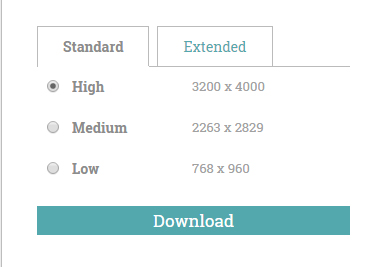
An Extended/Enhanced license can be used in various projects and in multiple print runs and resales. It gives all the rights that the Standard license provides, plus 500,000 times more print runs. It also allows you to use them to create your own business and create your own products and services for distribution or resale. It does not have any deadline, usage limits and geographical restrictions.

Sizes

stock-photo-sizes

Sizes are also important when it comes to purchasing stock photos cheap. Depending on your needs, you can choose among different sizes. The extra small size has 400 x 300 pixels and is suitable for small web or phone uses. The small size has 800 x 600 pixels, which is great for web and tablet. If you need cheap stock images for web and small print, you can go well with medium-sized image.

If you require bigger cheap stock photos, many cheap stock photo sites also offer them. You can get a large photo, which is perfect for print full page. An extra-large image is best suited for big prints. Moreover, a double extra-large photo is suitable for editing, HD and poster. Depending on the sizes, an image can cost between 1 to 12 credits. Of course, it still depends on the stock agency.

If you want to get the most of your money, you should subscribe to a subscription plan. It enables you to purchase images for the lowest possible price.

Restrictions

Regardless of the size and license, the use of cheap stock images have restrictions, read more about it from this link. You cannot use them in pornography, escort services, adult entertainment events, political endorsements, service marks, logos and trademarks. The use of images in social media sites are also limited. It is only possible to use an image in social media if the size is less than 1000 x 1000 pixels and if the copyright information is on the stock photo cheap itself.